The Big Questions
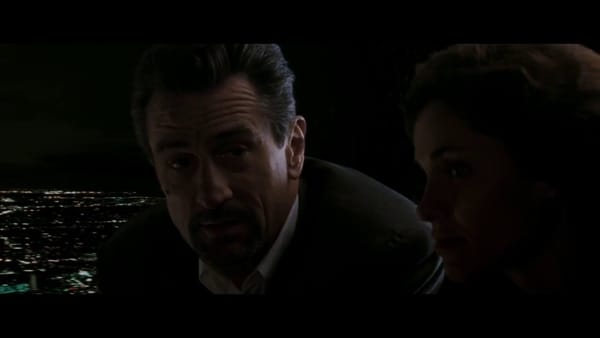
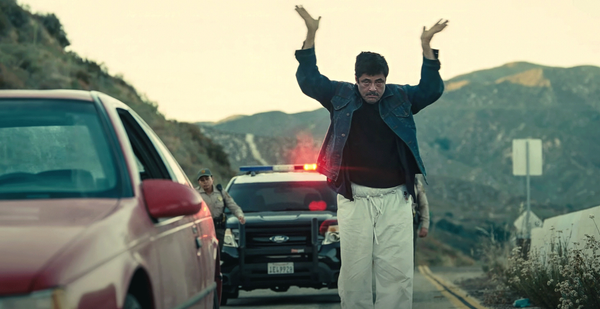
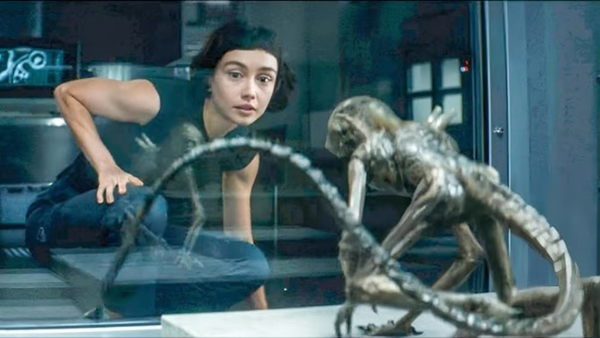
A Good Ones Oscars preview spectacular featuring One Battle After Another, Sinners, The Secret Agent, and of course, Jay Kelly

If these ideas are intriguing to you, maybe you wish to subscribe to my newsletter.
Other writing
- No One Gets A Holiday From Death at Bright Wall/Dark Room
- The Sun Rises and Sets With Her, Man at The Atlantic
Can I go again?
On an episode of Critical Darlings, the Blank Check Oscars podcast hosted by Richard Lawson and Allison Willmore, guest Sam Sanders made an astute observation: "I love how One Battle, as a movie, leaves me asking a lot more questions, and Sinners, as a movie, leaves me asking none." As a cultural critic, Sanders landed on the crux of this year's great debate. Both films are technical marvels that prod people's political sensibilities, but only one of the two has a definitive answer as to what people should think when they leave the theater. Moviegoers responded accordingly: Sinners rocketed to the top of the box office domestically, while One Battle After Another triggered endless online debate about its leftist bona fides (with resounding echoes still emerging six months after its release).
Of course, the legacy for both extends beyond monetary and social media receipts, but there is something to be said for movies that challenge viewers to reappraise their own belief systems. A Friday night trip to the movies that leaves you questioning why you feel mixed up about something is not necessarily the best version of entertainment. The satisfaction of Sinners lies in Smoke unloading a Thompson clip point-blank into a dying klansman. The frustration of One Battle After Another comes from watching Howard Sommerville rat on Bob and Willa Ferguson when his interrogator threatens his sister and family. It should also be mentioned that Sinners is Ryan Coogler's biggest artistic swing yet, while One Battle After Another is Paul Thomas Anderson's most entertaining movie.
The idea that One Battle After Another leaves viewers with questions gets to the heart of artistic appraisal. Good art makes you think. But it also has inherent emotional weight. See: my brother bursting into tears when he saw a Rothko painting in person (or my own reaction to Reflex Arc). Good entertainment, however, engages you. I think back to showing my partner and parents Kong: Skull Island and how the entire couch was shouting and literally on the edge of their seats the whole runtime. Entertainment, when done right, feels like magic. That's the allure of Sinners.
That doesn't mean Sinners isn't a thoughtful movie made politically that challenges its viewers—both films are successful for how seriously they treat entertainment value and how passionately they present their big questions. It's why they're leading the pack when it comes to Best Picture debate. What's interesting, to me, are movies that fail to strike the perfect balance—either intentionally or unintentionally.
The Secret Agent deliberately undermines its entertainment value. Set in 1977, it follows former researcher Armando Solimões as he returns to his hometown seeking refuge from state actors who eliminated his department at a university and, ultimately, want him dead. The movie is a thoughtful reflection on joy, community, and survival in the face of a fascist military dictatorship. But at its core, The Secret Agent keeps teasing itself as a political thriller that never fully takes root. It lacks the propulsion of One Battle After Another, hitching its momentum at key moments with flashbacks, flash forwards, and revels in the distraction of in-world propaganda designed to distract the characters themselves. Its clunkiness, though, is important to the point the film is trying to communicate.
As The Secret Agent unfolds, the mystery of Armando doesn't. His story, in fact, is quite simple. As a researcher, his team was developing an early version of an electric car. The leader of a state-backed gas utility shuts down his department, and when Armando confronts him over his rude and misogynistic behavior, he decides that Armando deserves to die. Armando doesn't have a hidden purpose; he doesn't hold the key to an energy source that's infinitely renewable. He just said the wrong thing to the wrong man. It's a bit of a bait-and-switch: the tense opening at the gas station, the secretive nature of Dona Sebastiana's refugee apartment building—none of it amounts to much more than people trying to live their lives.
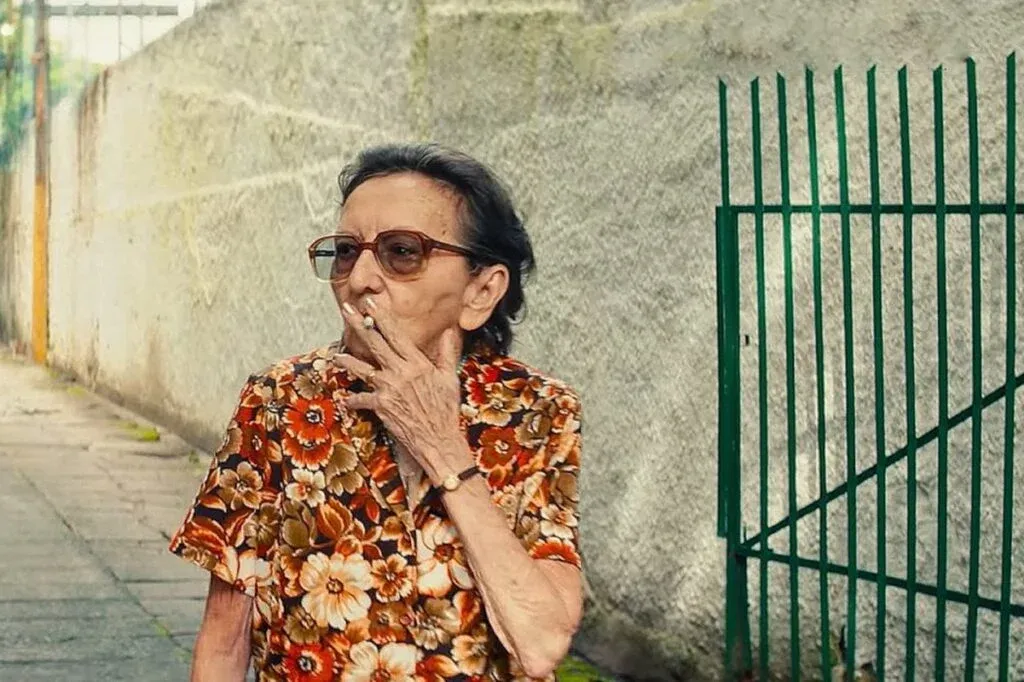
It's easy to see why The Secret Agent isn't in conversation for Best Picture contention against Sinners and One Battle After Another. It's a meditative film that kicks you every 30 mintues just at the moment you settle into the narrative. The effect is frustrating at times, but it's also revelatory: I've been thinking about The Secret Agent ever since I saw a preview screening months back. I think about Armando pouring into a loud Carnival street celebration after telling his story on tape. I think about the corrupt police chief dragging Armando to hear Hans' war stories, not realizing he was a Holocaust survivor. I think about the choice to jump forward to the college students transcribing interviews, and what personal historical record means in a failing state. I think about Armando risking his life to find any official record of his mother's existence. It's hard to imagine The Secret Agent being a Friday night popcorn rewatch. That shouldn't take away from its power as a film. It has dynamic characters, strong performances, and gorgeously shot scenes that read as a pure love letter to Brazil. It pulls off a miracle by generating new intrigue and entertainment value every time it interrupts its own progression.
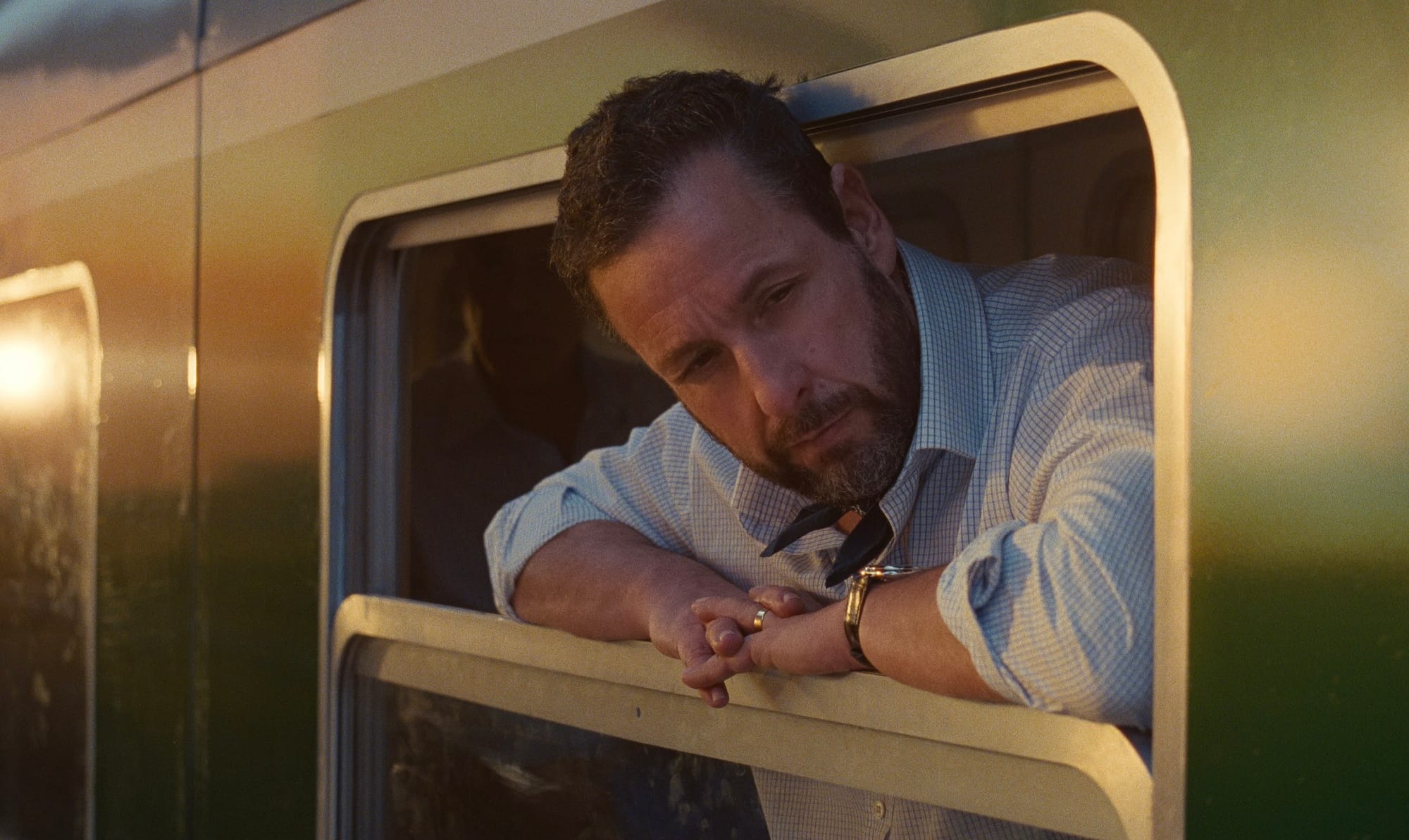
On the other hand, Jay Kelly, Noah Baumbach's latest foray as a writer-director, struggles to keep audiences engaged. The film tells the story of the eponymous actor, whose drive and undeniable charisma rocket him to stardom at the cost of his personal relationships. Played by George Clooney, perhaps our most charismatic male lead, Jay Kelly's entire life has been made possible by other people's sacrifices. It all works if you can believe George Clooney is charismatic enough to pull everyone into his orbit. Unfortunately, Clooney plays Kelly as a generally unlikable guy who reads flat on the screen. It's a tough hang for a film just north of two hours, and as he loses friends and family along the way, it's hard to feel sympathy. Jay Kelly asks viewers to assess the value of art and what it requires, but it also implies that Jay Kelly is not an artful actor, and the movies he makes do not hold much artistic value.
In short, Jay Kelly leaves you with questions, but one of those questions is: why wasn't Adam Sandler's Ron the lead of this movie? Sandler turns in a truly beautiful performance: he's haunted by lost love, tortured by his dedication to his boss, and struggles with balancing the demands of fatherhood and his career. Sandler's performance is truly moving, and, as the emotional center of the film, Ron pushes the audience to consider what they're willing to sacrifice to make a living they think they deserve. If Jay Kelly shifted its focus to Ron, it would be a more interesting movie. Instead, we're left with Kelly himself teary eyed watching his career retrospective intercut with memories of his daughters growing up before turning to the camera to ask his big question:
"Can I go again? I'd like another one."
The line itself is a vocal tic for Kelly, who often is unsure of his delivery on set and demands alternate takes to ensure his moments hold weight on screen. It should hit like a hammer. For some, I assume, the line worked. For most, as the movie's reviews have shown, it didn't quite land. Jay Kelly is full of set pieces that should drive the action—the train sequence, the cyclist-thief, the dinner at the villa, the phone call in the woods—but the movie's lack of sparkle dramatically cuts into its entertainment value. At the end of the day, Jay Kelly feels a bit like homework.
There's a lot in Jay Kelly ripe for analysis; however, I could probably write an in-depth assessment of how the movie plays on its star power to tell a story about, well, star power. I think it's also a movie worth watching, if only to dig into the why of it all. It won't be a romp, however, and you might not find yourself feeling entertained.
The why of it all is the question at hand here, really. Entertainment has intrinsic value in our lives, to the point that dedicating time and resources to experiencing entertainment is a top daily priority. Art, too, holds value for our humanity, even if it isn't always intentionally explored. For some people, watching a movie is a purely reactive state that operates on sheer instinct. For others, watching a movie is key to unlocking an understanding of the world around them, using art as a prism to refract the thoughts and feelings they struggle to understand. It's impossible to say how much entertainment drives understanding, or how much artistic reflection is internalized through entertainment. In any case, I have to believe there's value in at least talking about art. Otherwise, I'm not sure how I'd feel reflecting on my life.
Maybe Jay Kelly was right. Maybe I'd want another go at it.
Read
- Sex Workers Versus the Algorithm at The Flytrap
Something I don't do here is journalism, which is why I'm always impressed when I read the work of people who do. I've been a The Flytrap subscriber sicne they launched, and I appreciate how deep and thoughtful and long these pieces are. You might have passing knowlege about the struggle sex workers have with payment processors, but writer s.e. smith digs deeper into the psychology of it all and how payment policy has influenced almost every aspect of our online experience.
Watch
- Ponies on Peacock
Ponies is just about as predictable as you'd think it is, and for a show about spies, it offers very little actual spycraft. Still, it's fun, thoughtful, interesting, and plays up the camp of a Soviet-era thiller in ways I wish The Americans would have. It's not high art, it's beholden to needle drops, and yet it's the show I actively want to put on when I've got free time. In other words, it's perfect TV in a world of television.
Listen
- Swet Deth by Crooked Fingers
Erik Bachmann has always had a mastery of melody that played second fiddle to his conceptualization of music. His Crooked Fingers project has swayed and evolved over the the years, taking strange cues from all over the history of music, before landing on the stripped back Breaks in the Armor from 2011. Fifteen years later (oh God don't tell me that's true), Swet Deth is a continuation of his full embrace of pop and melody. On first listen, Swet Death rolls over you easy like an afternoon sunbeam passing by the window. With a bit more time, it starts to unravel into a version of digestible complexity that only Bachmann knows how to wrangle.
Consume

I like grabbing recipes, taking inspiration, and tweaking to add complexity. My version of the above recipe adds more flavor without sacrificing the easy of prep. Delicata squash is easier to break down (you don't have to peel it), added arugula adds a peppery bite, toasted nuts contibute sweetness and richness, and grated garlic boosts a savory touch to an otherwise too sweet dressing. Don't be afraid to heavilty spice your roasted squash with whatever you have on hand too: Aleppo pepper, ancho chile powder, cumin, coriander, mild curry powder—it all works. I also recommend keeping the dressing on the runny side and drizzling it over everything so it doesn't soak too deeply into the bread.
Artwork by Ashley Elander Strandquist. You can view her illustration work here.