How to Cook

If these ideas are intriguing to you, maybe you wish to subscribe to my newsletter.
Other writing
- This Simple Change Makes Sourdough Baking Easier and Less Wasteful at Serious Eats
- The Easiest Way to Peel Ginger Fast—Without Wasting So Much of It at Serious Eats
These links represent two of my first non-equipment review cooking pieces. I'm as surprised as you are that I apparently stumbled on a novel way to peel ginger, and while plenty of smarter people have written about sourdough maintenance before, I think this piece captures some interesting bits about how to make it feel more manageable. In any case, these two pieces had me thinking about cooking technique, which is where today's newsletter is headed.
Technique, technique, technique
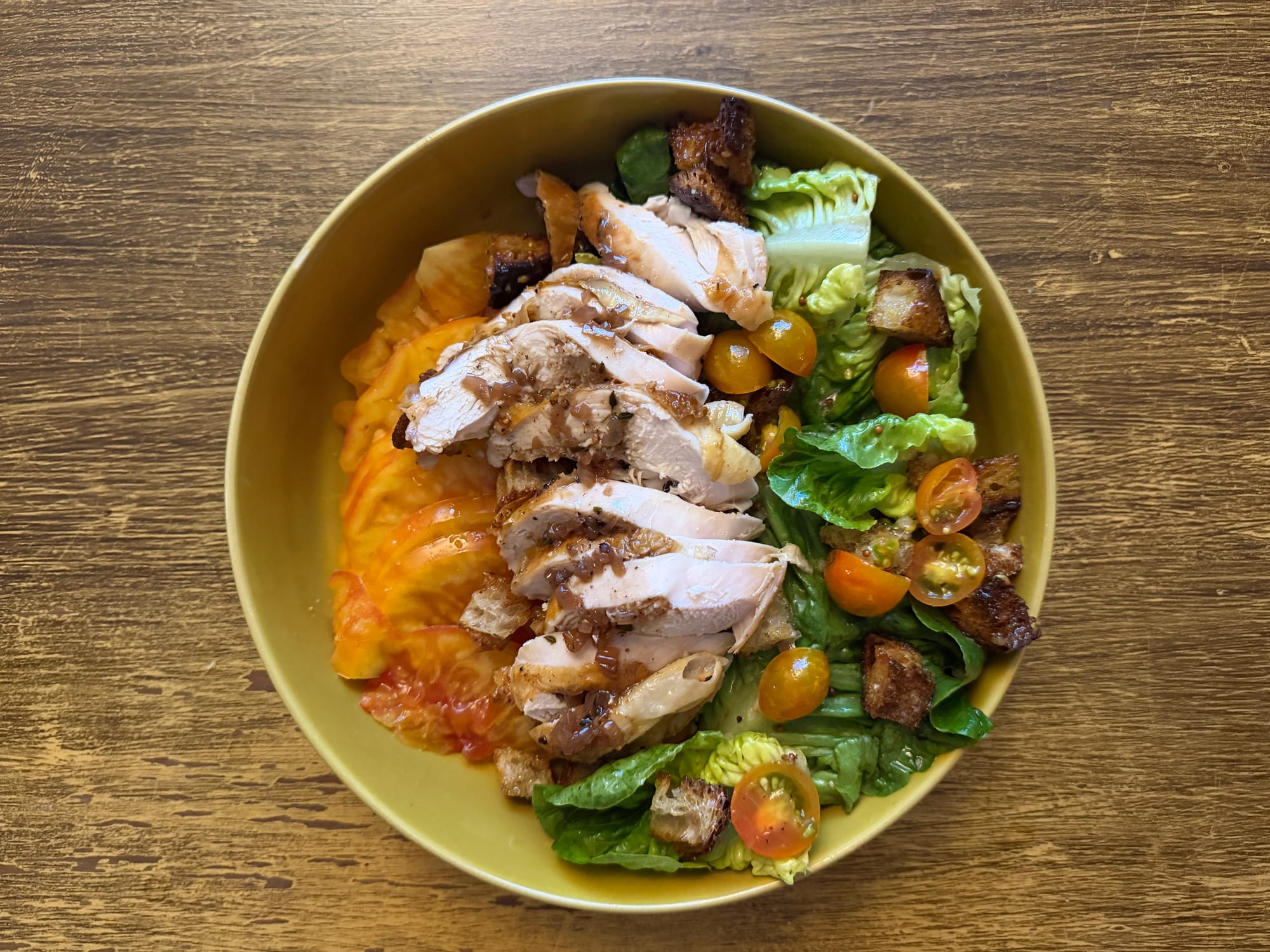
Visiting my parents last weekend, I wanted to cook them something simple: split chicken breasts, seared in a hot pan until the skin crisps up, roasted in butter, thyme, and garlic until aromatic and juicy. Paired with a quick pan sauce and salad, it's a simple cook that relies on basic technique to nail just right. And technique, well, that requires repetition. I'd made this dish just once before (pictured above), and while I knew my parents would love this sort of thing, I also wanted another crack at it.
Searing and roasting a chicken breast is easy. Medium to medium-high heat, render the skin until it fries in its own fat, toss in some butter, garlic cloves, and herbs, slide into a pre-heated oven. Boom. The pan sauce, however, is something that eludes me. Building a pan sauce requires some experience—there are plenty of recipes out there, but what you need is the experience of deglazing with wine, watching it reduce, reducing your stock just right, and finishing with the right amount of butter. Most people expect a thick glaze from a pan sauce; most pan sauces are thin and a bit watery. It takes a bit of effort (and more cold butter than you'd expect) to emulsify everything to the degree you might like, and the only way to sort that out is through practice.
Get your reps in.
When I used to teach baristas how to make espresso, I stressed to them that our four-hour class would not leave them confident in their abilities. What it would do, hopefully, is build foundational knowledge that they could refer back to when practicing on their own. But I also didn't want to overshadow the true nature of a successful barista: working a real-life shift. No matter how many latte art practice sessions I had, I'd never be able to pull as many shots or steam milk for as many drinks as my first busy five-hour shift.
Early work in a country club prep kitchen on the line at the poolhouse grill set me up for basic cooking techniques, but learning how to cook requires picking a handful of recipes and banging your head against them for months at a time before you sort out the process of how that dish comes together. I made the same sausage and broccolini pasta dish maybe 30 times before I finally understood what each step begets—it's a regular recipe in my repertoire, and only six years later do I feel like I have the right feel for how much pasta water I need to build the sauce texture I'm looking for.
But that's where technique comes in. Unlocking that pasta recipe doesn't just let me cook that recipe; it gives me the tools I need to make any simple sauce pasta. And once I have that technique down, I can build and adjust for any ingredient that tickles my fancy. Bacon, corn, and jalapeño pasta can be made the exact same way as sausage and broccolini pasta. Rinse and repeat.
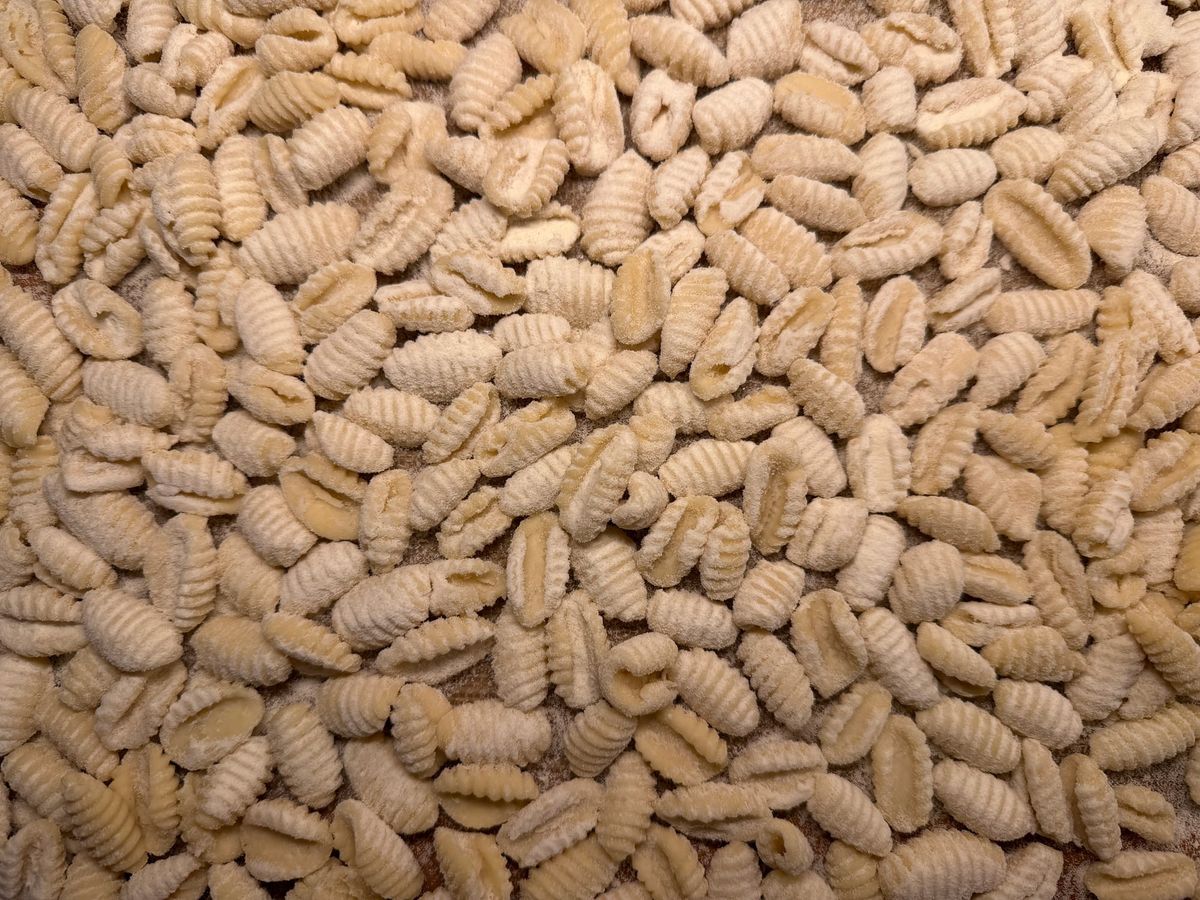
The last round of hand-shaped pasta I made was good only because of the twenty or so batches of hand-shaped pasta I'd biffed in the past. Don't even get me started on what it took to reach a version of bread that I'm proud of. I think back to the time when I was 26 and thought oven-roasted leeks and mushrooms sounded like a meal for sophisticates—when those were the only two things on the plate, I realized I was missing a few tools in my toolbox. Still, I learned a lot about what good olive oil and proper seasoning can do for vegetables that day. It might not have been a meal, but it was a tasty snack.
All that to say—the value of a recipe isn't the final product on your plate. The value of a recipe is teaching you one new thing you can deploy when approaching future recipes. Learn how to roast a simple whole chicken so that you're not intimidated when you want to smoke one on the grill. Practice searing steaks in a pan so you get the feel for browning. Make the same pasta twice. Three times. Six times.
I know it's annoying; eventually it won't be.
As a home cook, you're not going to get the reps that a line cook will. That's fine. You don't need to be a pro; you just need to like the food you cook. Pick a handful of recipes and go to town on them. And while you might get bored with making ramp pasta or BLT salad every day, know that you're building muscle memory for cooking bacon properly or saucing pasta. Those skills will take you to new culinary heights—when you're ready to tackle a new recipe, that is.
Read
I love our current resurgent Blog Era, but there's something about the magazine writing of yore that's undeniable. Buffet does an incredible job sourcing long-form food writing that hearkens back to the golden era of food writing. I'm in awe of the raw diversity and style of each piece, and I love reading through their recipes even if it's something I might not tackle in the kitchen myself.
Watch
- WNBA Playoffs
Even though my beloved Lynx have been eliminated, these playoffs are unmissable. The Aces just battled their way through an ahead-of-schedule Fever that was determined to outscore A'ja Wilson's fierce defense. The Valkyries eked out a brutal win over the Wings through teamwork and sheer tenacity. And the Liberty's incredible playmaking and size are going to be a monster against the Dream's punishing defense. If you're not a WNBA fan yet, now's the perfect time to get hooked.
Listen
Internet weirdos digging through the broad spectrum of 90s music to shape an odd amalgamation of modern music is typically a genre that doesn't grab me. I'm a genre formalist, sue me. However, Dev Lemons' "Best Friend" picks apart trip-hop and noise rock in a way that's utterly compelling. The overly haunting melody is hard to get out of your head, and the rest of the album is equally intriguing.
Consume
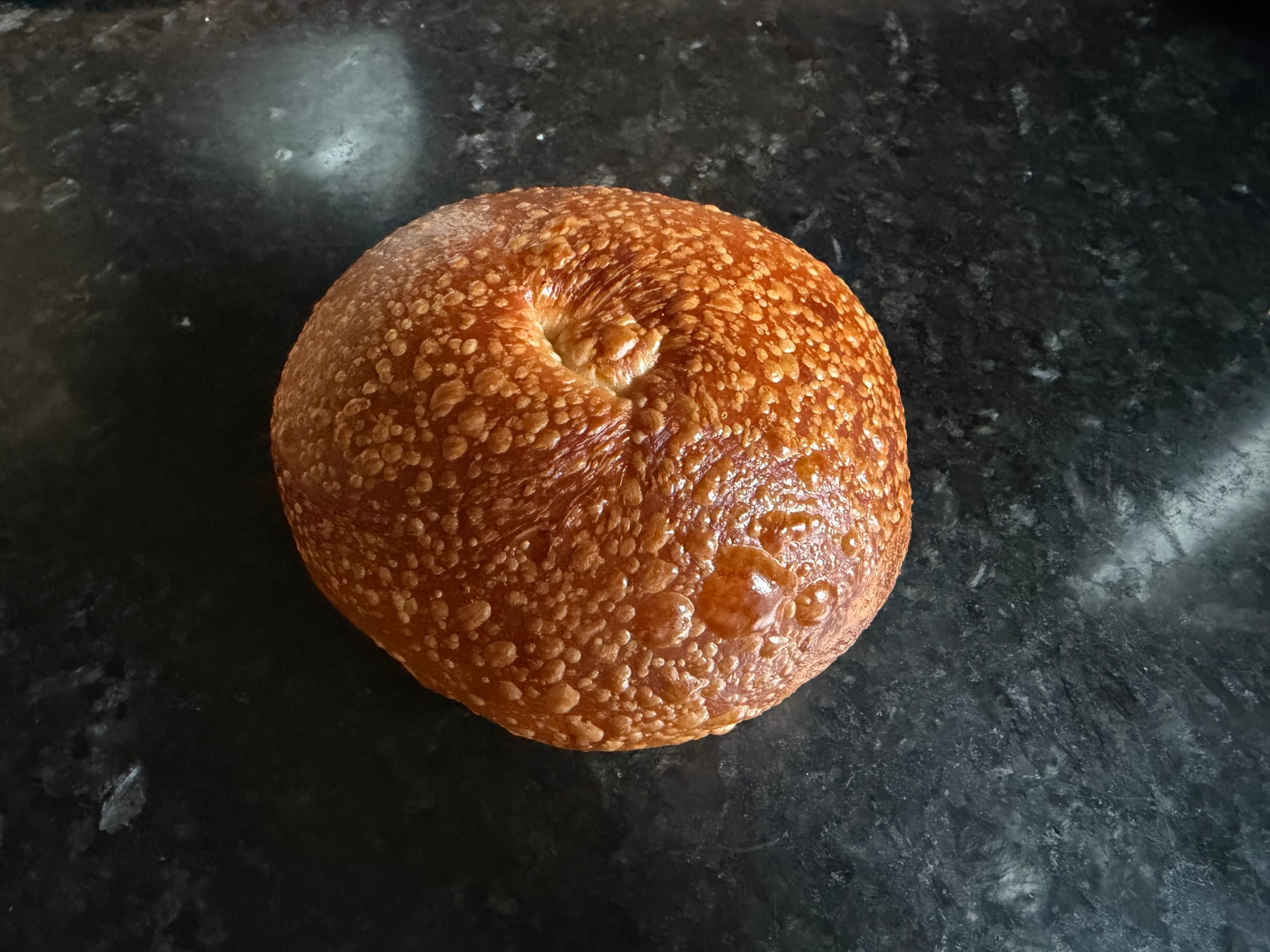
Barrett's Bagels is a new shop in Madison that's building its own bagel style bake by bake. A farmer's market staple, Barrett's is due to open its brick-and-mortar shop later this month, making their bagels available all week for the first time. Owner Ben Anderson employs a lot of breadmaking techniques for these bagels—they're built off a long, cold ferment and proofed until the hole closes. The result is a bagel with the unmistakable sweetness and chew you'd expect from a classic iteration, with a tender and soft interior that almost melts in your mouth. My reaction at first was dismissal: I initially wanted the tough chew that requires me to rend each bite from the round with my teeth like a coyote picking flesh off the bone. By the time I was digging into my second one this morning, I realized I was wrong: this was a superior bagel that gave me what I wanted and more. I now see the error of my ways and can't wait to frequent this joint.
Artwork by Ashley Elander Strandquist. You can view her illustration work here.