I Saw I Saw the TV Glow

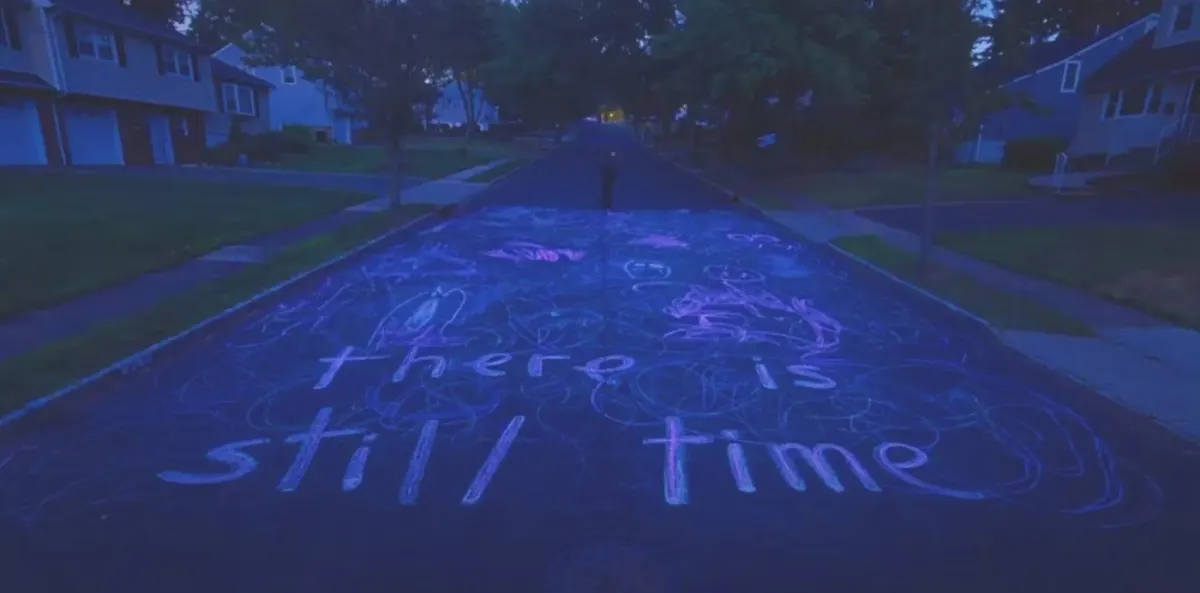
If these ideas are intriguing to you, maybe you wish to subscribe to my newsletter.
Other writing
- The Sun Rises and Sets With Her, Man at the Atlantic
The Medium Is the Message
When I think back to the media I loved as a kid, I think about one specific VHS tape that contained the Pound Puppies TV movie, along with some other nameless animated TV special that was a generic fantasy with an evil wizard and princess that must be saved. It was a tape I always reached for when I was home sick—actually sick, not just faking it—and there was something special about trying to sort out the lore of this one-off animated TV movie in the grips of a fever at eight years old. What did it mean? Where did it come from? The fact that it wasn't a continuation of any other property with recognizable characters made it feel strange and dangerous, like I had stepped into an alternate world and saw something no one else had.
Of course, other people had seen this animated movie—I had two other brothers who introduced me to this tape in the first place. But that experience has stuck with me my entire life, as if it were some secret that only I had access to. A hidden world that only reveals itself when I engage with it. I'm sure I could use the Internet now to not only find out what that random animated special was, but also to find a high-resolution rip of it streaming. But I don't want to. I want whatever that thing was to live in my memories, to be something exclusive that I can look back to as a grounding moment: it's easy in the modern world to mildly dissociate based on how much of my life is lived online, and those memories of being a kid, the tactile sensation of the VHS being sucked into the machine, those moments keep me focused on my physical form.
Last week, I wrote about having multiple sclerosis and used the term "body euphoria" to describe the feeling I have when my disability fades, and I can engage in physical activity without limit. I have to admit—I don't feel great using that term, which is something I stole from the trans experience of "gender euphoria." I'll never know what it's like to be trans, and I'll never face discrimination the same way. Even as a disabled person, my outward appearance is "normal" enough that I skirt through public life without any friction. That doesn't mean discrimination doesn't exist. On New Year's Eve, in 2021, my partner went to pick up a takeout fried chicken dinner from a nearby bar. While she waited, masked, for the order to be ready, a guy seated on a stool mocked her for wearing a mask. She tried to politely explain that her partner at home was immunocompromised, so she was wearing the mask to help protect me. "Just take that thing off now," he said. "He's gonna die from it eventually anyway."
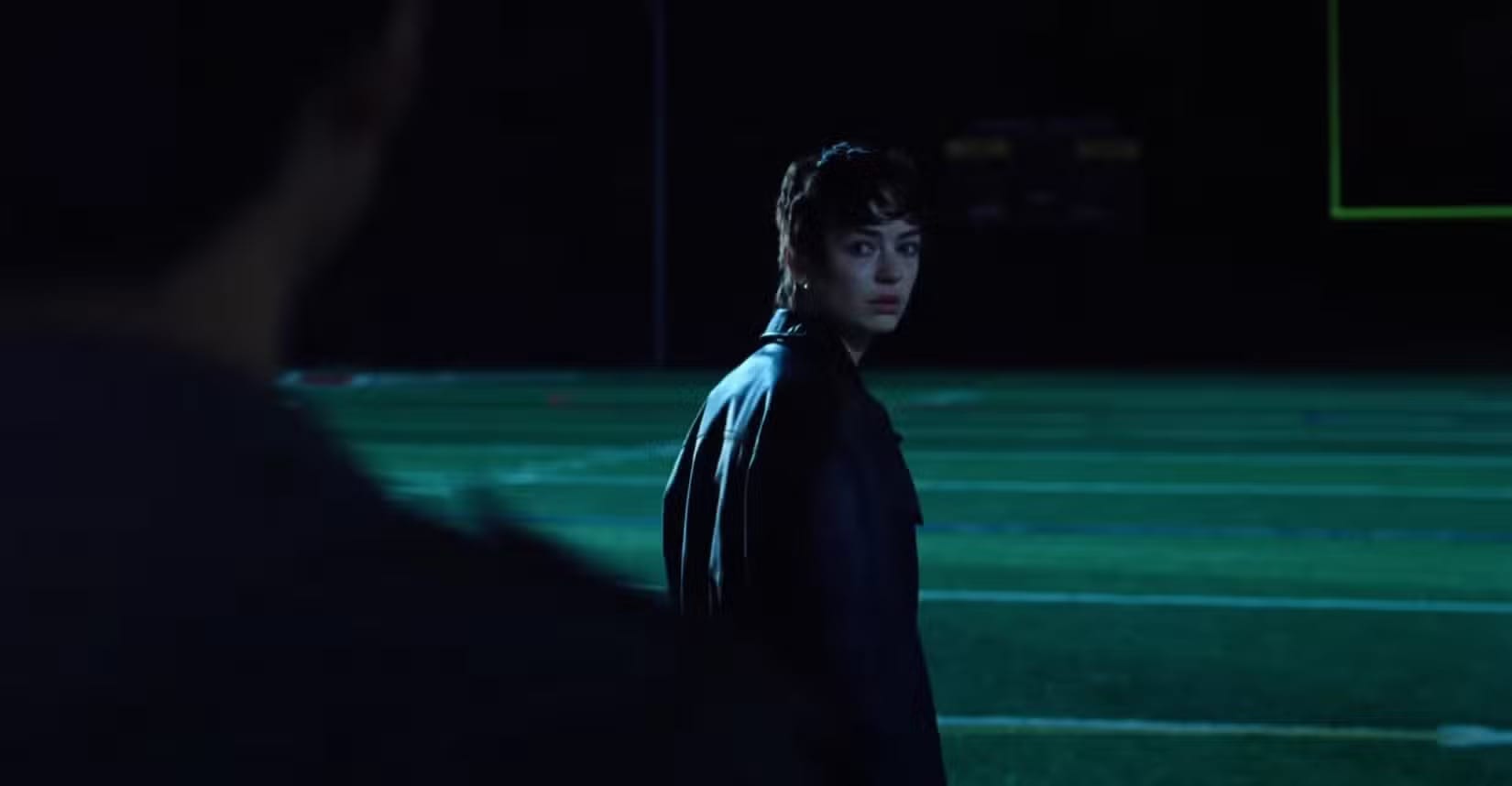
It feels like stolen valor to insert myself into I Saw the TV Glow, and yet I can't stop thinking about it. In the film, Owen and Maddy, two teenagers, become obsessed with a teen paranormal drama called The Pink Opaque. For Maddy, the show seems to trigger a latent psychosis, giving her delusions that she's actually one of the main characters in the show. For Owen, the show seems to prod at the character's own concept of gender identity. They never actually become friends in a traditional sense—instead, Maddy tapes episodes for Owen to watch at home and writes extensive notes about each episode. Her obsession becomes their point of connection: she's less interested in Owen as a person than in Owen as someone she can share her hyperfixation with. For them, part of the magic of The Pink Opaque is its accessibility.
I Saw the TV Glow (and its director, Jane Schoenbrun) is interested in how traditional TV broadcast schedules create far more mystery and myth than the shows themselves do. As Owen watches episodes in reruns, taped out of order, the show's lore builds to nearly inscrutable levels, requiring Maddy to fill in the gaps with knowledge from her episode guide. When Owen tries to rewatch The Pink Opaque as an adult, it's no longer a dark and mysterious young adult drama—it's revealed to be a cheesy children's show, something unrecognizable. It's important to note that Owen's rewatch is through a streaming video service, not from the old VHS collection taped off TV.
For both Owen and Maddy, the world of The Pink Opaque is an escape from their own lives. While watching the show, both of them experience time outside their troubled home lives and away from their bodies. Owen's constant struggle to watch the show live and Maddy's need to create an underground tape-smuggling system give both characters drive and purpose to distract themselves from bad parents and confusing questions about themselves.
It's an extremely relatable feeling for me. Media as an escape defined my childhood, and busy work as a distraction helps define my adulthood. For Maddy, creating a show library for Owen was grounding. The work kept her focused, and the hyperfixation allowed her to avoid confronting the mental illness that was developing for her just under the surface. It's a relatable feeling. I used to invest my time into tidying up the house or creating detailed file systems for the music and movies on my hard drive to stay grounded. The moment my multiple sclerosis presented itself, I lost the energy to keep up with those sorts of tasks, forcing me to confront the anxiety and compulsive disorders that had roiled under the surface for decades.
Owen's inability to reckon with their gender identity is also relatable for me. I still struggle to remember that I am disabled, that I do have multiple sclerosis. Those concepts are Big Labels that help others define me, but they don't feel integral to my own self-definition. And yet, I also struggle to find the same sanctuary in media the way I did in my youth. On my worst days, when I'm couch-bound, I flip through streaming channels, unable to settle on something to watch. It isn't streaming's fault; it's me. It's unsettling to feel at odds with your own body, and distractions that used to work in my youth don't work the same. I don't even think the generic animated TV fantasy tape from my youth could fix things.
For me, the older I get, the more I have to confront the infinite nature of chronic illness. For Owen, it's confronting the self-denial of their identity. But I've got an advantage over Owen: I have I Saw the TV Glow, a movie that helped me process my own relationship to media and my body.
It's not lost on me, either, that I watched this movie streaming from my brother's Plex server in Tokyo. As much as The Pink Opaque affected Owen and Maddy, sharing media helped bring two people who desperately needed a connection together. Streaming the movie from my brother's library isn't quite the same, but it still made me text him about it immediately after watching. Media consumption itself can be an isolating experience, but sharing media is a way to maintain a connection to others—even if that media makes you confront uncomfortable ideas of yourself.
Read
- The Chandelier by Clarice Lispector
I'm not going to lie: I do not like reading this book. That said, it's undeniably something unique unto itself. Less a narrative than a rolling collection of internal struggle, emotion, and turmoil, The Chandelier perfectly captures the experience of being young and unable to express yourself properly. Yes, it's a slog, but it's a slog that I feel like I need to finish so I can experience the visceral nature of it's prose.
Watch
- The Agency on Paramount Plus
I'm a sucker for a spy drama, and The Agency is a pretty good spy drama. What draws me to it is the show's focus on how dull, dreary, and procedural spy work can be. It's primarily an office job, and it involves office politics and meetings, as any job does. The Agency is a great watch for anyone out there whose parents' legacy cable subscription gives them access to this show's third-tier streaming home.
Listen
- "Loud Bark" by Mannequin Pussy live at KEXP
This is a cheat because it's a live performance video. That means it's also a watch. Sue me. I think it's only fitting in a newsletter about media obsession for me to write about "Loud Bark" by Mannequin Pussy. The song has dominated my playlists all year long, rooted in frontwoman Missy Dabice's powerful vocals and the band's simple yet maudlin soundscape. It's worth watching this performance to see the way the song presents itself in person. And then it's worth watching again to let it get under your skin. I'll probably have to write a whole newsletter about this song one day.
Consume
- Nachos
We went out and got nachos for dinner last night, and it fucking ruled. I think nachos need a huge comeback.
Artwork by Ashley Elander Strandquist. You can view her illustration work here.